
Beckenham Place Park (Lewisham)
Brief Description
Beckenham Manor has mediaeval origins; the estate passed through various owners, some with royal connections. For a time divided, by the C17th the whole estate was owned by Walter St John in whose family it remained until 1773 when John Cator of Bromley bought the manorial rights. Cator built Beckenham Place Mansion, near which is the Stable Block, and behind it the walled garden with cottage. Cator was son-in-law of Peter Collinson, who approved his planting and may have influenced his introduction of exotic trees and the lake. There are reputedly 60 species of tree on the estate and areas of ancient woodland. The estate was purchased by the LCC in 1927 and the public park opened in 1929. The golf course, established in 1908, opened to the public in 1933 as the first public golf course; the Mansion becoming the clubhouse; much of the land had been used for farming before the golf course was laid out. The park retains much of the form of a landscape park in terms of plantations, but parkland standards are reduced and blurred by golf course planting. The golf course closed in 2016.
Practical Information
- Site location:
- Beckenham Hill Road/Old Bromley Road/Foxgrove Road/Westgate Road/Crab Hill, Beckenham
- Postcode:
- BR3 1SZ
- What 3 Words:
- filed.string.blunt
- Type of site:
- Public Park
- Borough:
- Lewisham
- Open to public?
- Yes
- Opening times:
- unrestricted. The Mansion: 8am-10pm daily
- Special conditions:
- Facilities:
- 2 playgrounds, BMX track, skate park, bike trail; swimming lake; Mansion Bar & Cafe; Homestead Cafe; toilets (Homestead Courtyard/Mansion, check website for opening times); Nature trails. For facilities in The Mansion see www.beckenhamplace.org
- Events:
- Wide range of indoor and outdoor events, see websites for details. Friends of Beckenham Place Park: walks, talks and other events
- Public transport:
- Rail: Ravensbourne/Beckenham Hill/Bellingham. Bus: 54, 354.



- Research updated:
- 01/08/2022
- Last minor changes:
- 05/02/2024
Please check with the site owner or manager for latest news. https://lewisham.gov.uk/inmyarea/openspaces/parks/beckenham-place-park; https://beckenhamplacepark.com/; www.beckenhamplaceparkfriends.org.uk
Full Site Description
Beckenham Manor is listed in Domesday as belonging to the Bishop of Bayeux and worth £9 in the time of Edward the Confessor. The estate passed through various owners, some with royal connections and Henry VIII is reputed to have been a visitor. For a time divided, by the C17th the whole estate was owned by Walter St John in whose family it remained until 1773 Shortly after John Cator of Bromley bought the manorial rights, he built Beckenham Place Mansion. Cator, a Quaker, was MP for Wallingford and later Ipswich, and became Sheriff for Kent in 1781. He was the developer of Blackheath Park, in 1784 purchasing Wricklemarsh, the extensive property of Sir Gregory Page Turner, which he resold in building lots. Wricklemarsh House was demolished in the process, its front portico added to Beckenham Place Mansion in 1787. Near the house is the stable block whose wooden clock turret may also have come from Wricklemarsh, behind it the walled garden with timber garden cottage. Other buildings in the park include Homesteads and Southend Lodge at the entrance on Beckenham Hill Road.
Among Cator's friends were Dr Samuel Johnson and he was also the son-in-law of botanist Peter Collinson, who recorded his approval of Cator's planting of "cedars, exotic firs, linodendrons, and many large North American Shrubs" and he may have influenced the introduction of many of the exotic trees, and the lake. Collinson left his botanical book collection to Cator, later bequeathed to his nephew and heir, John Barwell Cator. There are reputedly 60 species of tree on the estate, which contains areas of ancient woodland, including mature oaks, swamp cypresses, planes, Scots pine, wild service, Californian spruce, Spanish chestnut. An ancient Turkey Oak, reputedly the second largest in Britain and which survived an arson attack by vandals in 1998/9, and an old mulberry tree stand near the 18th hole of the golf course. At one time the estate covered an area from Shortlands to Sydenham Hill. Cator died in 1806 and is buried in Beckenham churchyard.
Although it remained in the Cator family until 1927 it was tenanted in later years, the Mansion becoming a school for boys in the late C19th and then a Sanatorium before it was purchased by the LCC in 1927. The public park opened in 1929. The golf course opened in 1933, the first municipally owned, and reputedly the largest, golf course in England, and the Mansion then became the golf clubhouse. Up until then a proportion of the park had been used for farming, which included the home farm that supplied the Mansion, but much of the land was lost when the golf course was laid out and the last farm buildings were demolished in c.1933. The park retains much of the form of a landscape park in terms of plantations, but the lake became dry; parkland standards were reduced and blurred by golf course planting. Areas of ancient woodland include Summerhouse Hill Wood and Ash Plantation divided by the railway line, which was constructed in 1892, and the River Ravensbourne runs through the eastern area, which largely consists of playing fields, including Summerhouse Field. In World War II the park was used as a prisoner of war camp, the site of anti-aircraft battery and barrage balloons, grazing land and allotments.
In 1965 the newly formed GLC took control of the estate, and since 1971/2 it has been the responsibility of LB Lewisham. In 1976 the park and other open space was designated Metropolitan Open Land. Until 1995 it fell within the two boroughs of Lewisham and Bromley, and former boundary markers can be seen in Summerhouse Hill Wood; boundary changes then brought it entirely within Lewisham. In 1995 the Friends of Beckenham Place Park was set up, who ran a Visitor Centre from that time on a voluntary basis, located from 2000 - 2020 in the ground floor of The Mansion, which provided the only interpretation and awareness facility for park visitors at that time. The group also organised a programme of walks and events, undertook conservation work and maintained the Sensory Garden, as well as fundraising for projects such as a Nature Trail, park signage and restoration of the Ancient Pond.
The public golf course was eventually closed in November 2016, amidst considerable protest. In 2017, as part of an exercise to increase public awareness of the park, which appeared to be little known among the wider community, LB Lewisham undertook to restore several of the listed buildings in the park, together with the landscape and lake. The official launch of the restyled park took place on Saturday 20 July 2019. The transformation was made possible through a £6.8 million redevelopment programme with funding from The National Heritage Lottery Fund, The National Lottery Community Fund and the Mayor of London's Greener City Fund.
The result of this regeneration has brought better use to the park, with greater diversity of activities for the public to enjoy. Adam McCullock writing in The Guardian in July 2019 particularly praised the restoration of the lake: '...the jewel in the park's crown is the new 283-metre-long, 45-metre-wide lake, a recreation of an original Georgian water feature (...) A beach area neatly shelves into shallow water for younger children to splash around in.' One notable result of the changes is the spread of responsibilities for various aspects of the park to different organisations: PTP Coaching takes care of the bookable wild swimming slots, training and water activities with a strong set of Health & Safety guidelines including the carrying of a brightly coloured float. The lake where water sports and activities take place is quite separate from the popular wild swimming area. The Georgian mansion is now advertised as a cultural centre for artists' studios, yoga, arts and crafts classes, food and vintage markets, concerts and other activities.
As part of the restoration, paths were constructed to facilitate circulation, and there are three different length walking trails, a bike trail and a 5km running circuit. The national education charity, the Field Studies Council (FSC), delivers outdoor nature education in Beckenham Place Park from their base in the Homestead Education Centre in the Courtyard, running workshops for children, young people, adults and school trips for schools.
There are two playgrounds in Beckenham Place Park; the Western side playground near the Homestead cafe has a sandpit, swings and other wooden play features. The Eastern side playground is located by the Old Bromley Road entrance, near which is the BMX track and Skate Park, which features a mural painted by local street artist Aero Arts and young people from Lewisham in summer 2019 as part of the London National Park City Festival.
Sources consulted:
John Archer, Ian Yarham, 'Nature Conservation in Lewisham', Ecology Handbook 30, London Ecology Unit, 2000 and Lewisham Walk 4 leaflet; South East London's Green Chain pack, 1998; Bridget Cherry & Nikolaus Pevsner, The Buildings of England: London 2: South (Penguin) 1999 p428-9; J Bellamy, York Form I, 1985; 'Beckenham Place Park, a brief guide', LB Lewisham n.d..
Update by LPGT Volunteer Researcher Rosanna Cavallo, 2022. Sources of information: 1. https://councilmeetings.lewisham.gov.uk/documents/s64440/Beckenham%20Place%20Park%20Update.pdf 'Beckenham Place Park Regeneration, report, 24 April 2019; 2. https://www.thisislocallondon.co.uk/news/19779730.beckenham-place-parks-regeneration--alana-brown-newstead-wood-school/; 3.theguardian.com/travel/2019/jul/19/beckenham-place-park-lewisham-london-lake-woods-rewilding; 4. ptpcoaching.co.uk/about-us; 5. beckenhamplace.org/about/visit; 6. https://lewisham.gov.uk/articles/news/beckenham-place-park-relaunched
Further Information (Planning and Conservation)
- Grid ref:
- TQ381708 (538143,170865)
- Size in hectares:
- 96
- Site ownership:
- LB Lewisham
- Site management:
- Lewisham Green Scene (manages west side of park) / Glendale Grounds Management (manages east side of park). Friends of Beckenham Place Park
- Date(s):
- c.1745, 1929
- Designer(s):
- John Cator, possibly advised and / or plants supplied by Peter Collinson
- Listed structures:
- LBII*: Beckenham Place Mansion, LBII: Stable Block and Homesteads, Southend Lodge
- On National Heritage List for England (NHLE), Parks & Gardens:
No- Registered common or village green on Commons Registration Act 1965:
No- Protected under London Squares Preservation Act 1931:
No
Local Authority Data
The information below is taken from the relevant Local Authority's planning legislation, which was correct at the time of research but may have been amended in the interim. Please check with the Local Authority for latest planning information.
- On Local List:
- No
- In Conservation Area:
- Yes
- Conservation Area name:
- Beckenham Place Park (part)
- Tree Preservation Order:
- Not known
- Nature Conservation Area:
- Yes - Metropolitan Importance
- Green Belt:
- No
- Metropolitan Open Land:
- Yes
- Special Policy Area:
- Yes - Area of Archaeological Priority (part)
- Other LA designation:
- Green Chain (Green Chain Walk); Local Nature Reserve (listed in 2002)
Photos
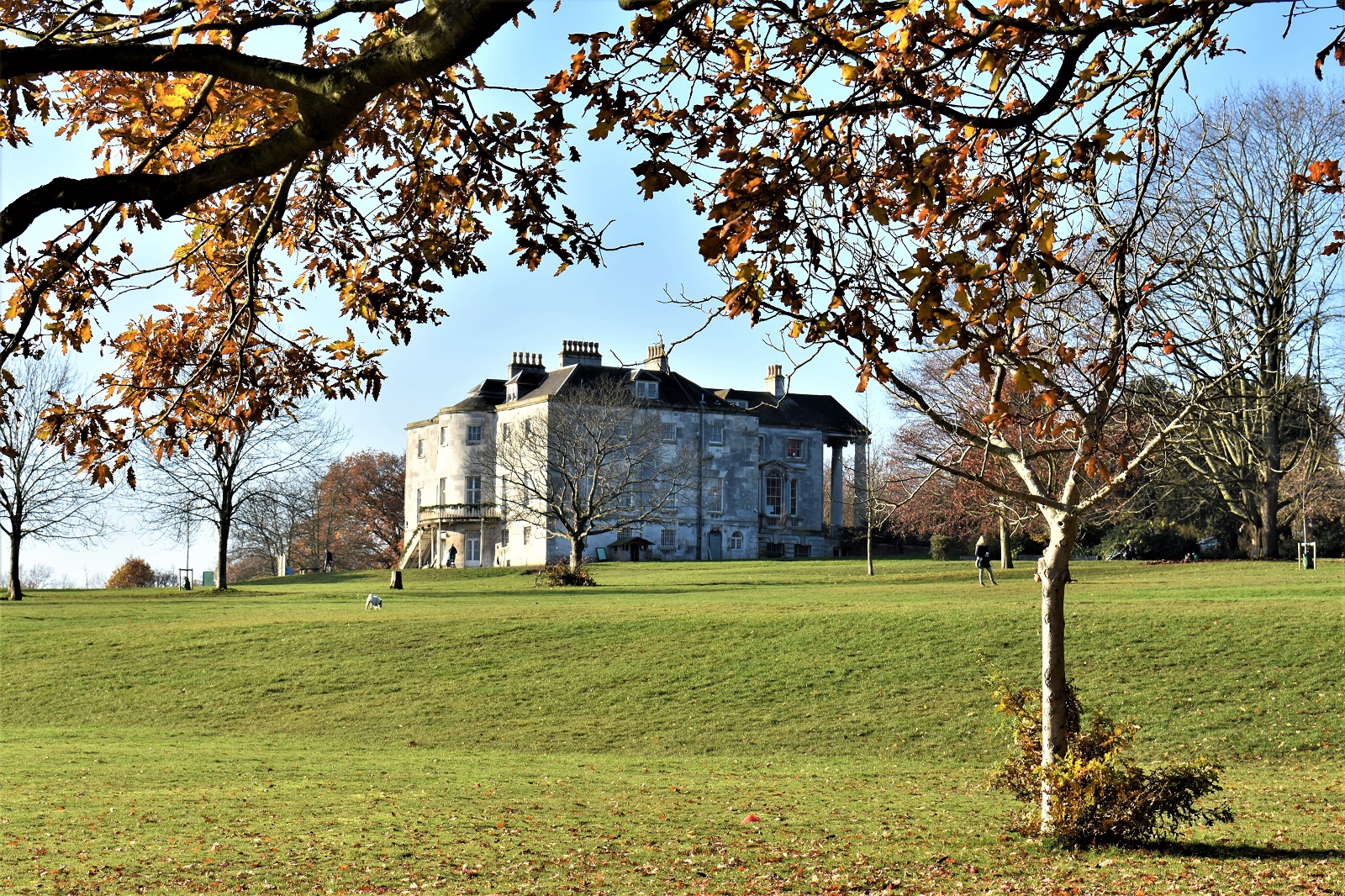
Beckenham Place Park and The Mansion following restoration. Dog walkers now enjoy what was once the golf course, August 2017. Photograph Rosanna Cavallo
2022 
2017 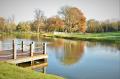
2017 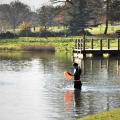
2017 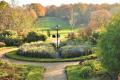
2017 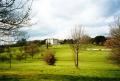
2002 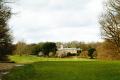
2002 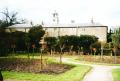
2002 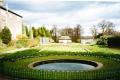
2002 
2002 
2002 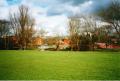
2002 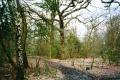
2002 Click a photo to enlarge.
Please note the Inventory and its content are provided for your general information only and are subject to change. It is your responsibility to check the accuracy.